
As a real estate broker the last 20 years or so, the majority of my clients are from urban areas. This is logical, since people in urban areas typically have larger salaries, which in turn allows for investing in real estate. Most city dwellers are influenced by their surroundings and when they get just a short way off of the freeway, they see park-like housing developments with manicured lawns, well maintained municipal parks and certainly golf courses. The last site gives rise to one of my favorite phrases, “The Golf Course Syndrome.”
I have seen the following time and again. One of the first things a new ranch buyer does is acquire a tractor and shredder, and then begins rolling across their new land attempting to make it “pretty”. New owners wrongly believe ranch land is a lawn. They have an overwhelming urge to tidy it up which gives rise to the above malady.
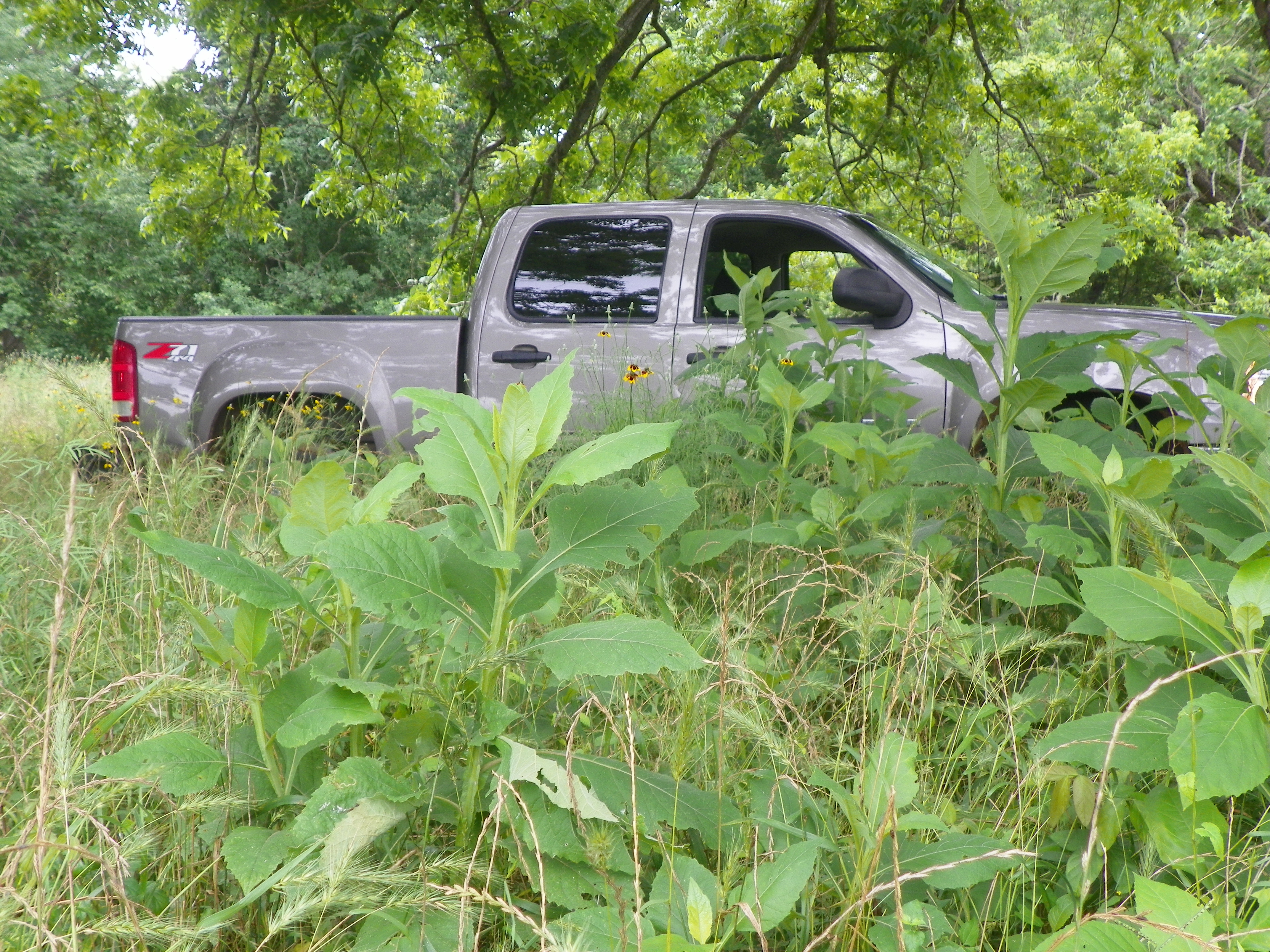
Here are the facts: Whitetail doe seek out tall grass and weeds to have their babies. They do not give birth in heavy timber but in healthy fields. Mowing in the spring is just as effective a tool regarding lowering overall deer numbers as shooting deer in the fall. Keep that last sentence in mind. If you wish to observe deer, and I know of no one who does not, please restrict your mowing to your yard or camping area, but for Pete’s sake, do not mow your pastures in the spring! In Southeast Texas, fawns begin to be born the end of April and peak in May. This coincides with rapid weed and grass growing season. There is an almost overwhelming urge from new landowners to start those tractors, but hide the key if you must.
A newborn fawn is about the size of a teenage jackrabbit. The escape mechanism nature has installed in their genetic makeup is to drop to the ground with their heads flat and remain motionless. There is little scent given off by fawns. Their main enemies are coyote and bobcat. Both of these predators are sight
hunters. Coyotes cover a lot of ground while hunting. They trot along continually scanning their surroundings looking for movement. A curious fawn might raise its head for a peek and when its ear twitches, a coyote can pick up that motion and then it’s all over but the crying. Bobcats operate in the same manner but at a much slower, stealthier pace.
Overgrazing cattle is just as bad as shredding. Sadly, this is a very common practice in Central and Southeast Texas. I have seen pastures in the spring where I could throw and handful of marbles as far as I could then walk around and find all of them. How can a fawn hide there?
The goal regarding ideal fawning cover (and for turkey nesting as well), is to have grass and weeds about waist high. Have that, and you should have a high fawning percentage.
There is a time when shredding is beneficial. I will delve into that later.
JH
